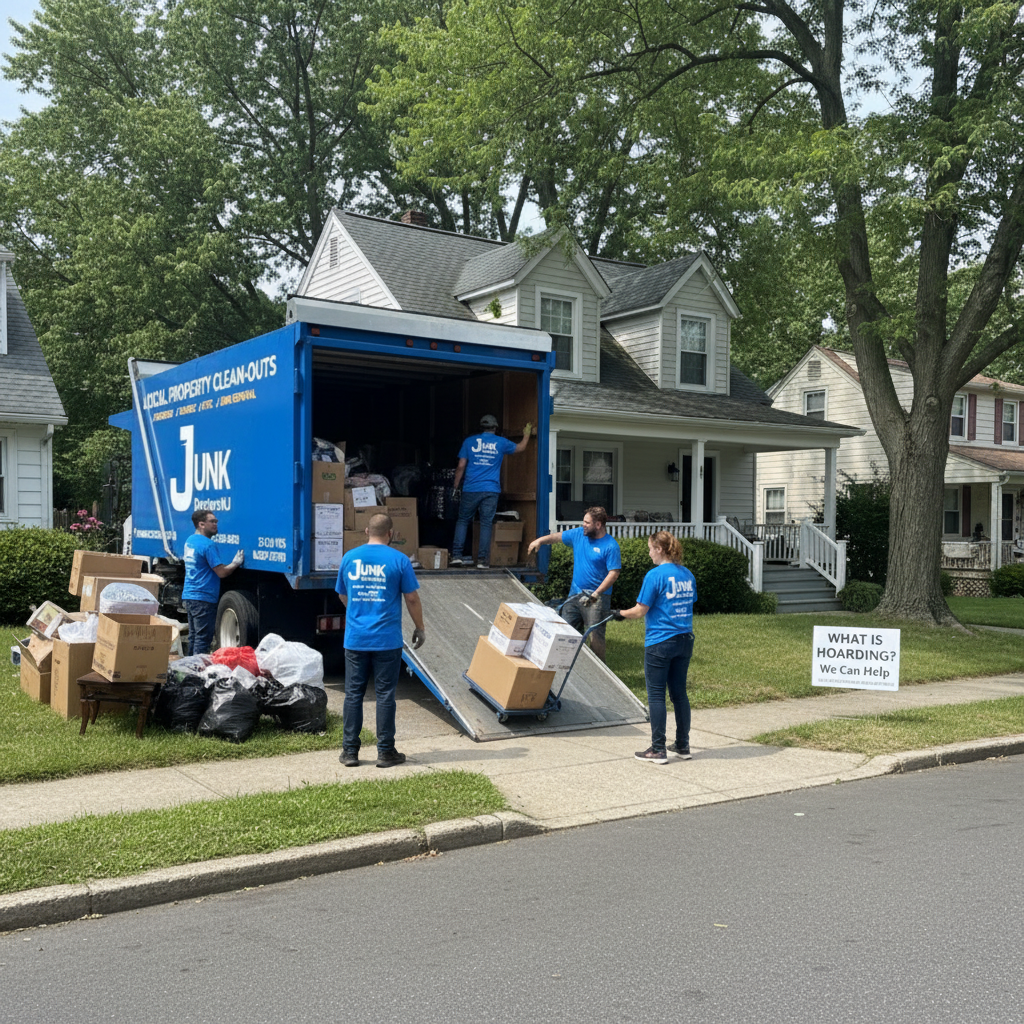
What Is Hoarding? A Clear, Compassionate Guide to Hoarding Disorder (Not Just “Messiness”)
If you’ve ever searched “what is hoarding,” you’ve probably noticed how often the word gets used to describe everything from a cluttered garage to a packed closet. But clinically—and practically—hoarding is not the same thing as being disorganized, sentimental, or going through a temporary rough patch.
This guide is designed to be educational first: we’ll define hoarding clearly, explain what counts as hoarding disorder, show how it differs from collecting, and cover key factors like excessive acquiring and insight—two details most articles skip. 1
Start With a Definition: What “Hoarding” Means Here
In everyday conversation, “hoarding” can mean “I kept too many old clothes” or “my home is cluttered.” In this article, though, “hoarding” refers to a pattern that includes: persistent difficulty discarding possessions, distress when discarding, and clutter that disrupts the ability to use living spaces. 1
That distinction matters, because people can have a lot of belongings (or even a chaotic home) without meeting the clinical criteria for Hoarding Disorder. Clinically, the disorder is defined by both the behavior and the impact: it has to create real impairment, distress, or safety problems—not just inconvenience. 1
What Counts as Hoarding Disorder (Clinically)?
Mental health professionals use a specific framework to diagnose hoarding disorder. The clinical core includes: (1) persistent difficulty discarding, (2) distress associated with discarding, (3) resulting clutter that compromises living areas, and (4) significant impairment or safety risk. 1,3
A simple way to think about it is this: it’s not about “how much stuff” someone has—it’s about the relationship to the stuff (the distress and difficulty letting go) and the consequences (living spaces becoming unusable or unsafe). 1
Here is an educational, plain-language breakdown of the DSM-style criteria clinicians look for: 2,3
- Persistent difficulty discarding or parting with possessions (regardless of actual value). 1,3
- The difficulty comes from a perceived need to save items and distress when trying to discard them. 1,3
- The result is clutter that congests and substantially compromises “active living areas” (not just basements or storage rooms). 1,5
- The hoarding causes clinically significant distress or impairment (socially, at work, financially, physically, or in maintaining a safe home). 1,3
- It’s not better explained by a medical condition (like certain brain injuries) or another mental disorder. 2,3
One important nuance: sometimes rooms look “clear” only because someone else (family, authorities, cleaners) has intervened. Clinically, that still counts if the underlying difficulty discarding and distress remain. 1,3
Clutter vs Collecting vs Hoarding: How to Tell the Difference
A lot of confusion happens because clutter, collecting, and hoarding can look similar from the outside. The differences are usually found in intent, organization, and impact on daily life. 1
Clutter is usually situational: a busy season, a move, a new baby, a demanding job, a health issue, or simply not having enough time or storage. It can be overwhelming—but when you start sorting, discarding tends to be possible, even if it’s annoying or tiring.
Collecting is typically organized and intentional. Collectors usually acquire items in a targeted way, then display or store them thoughtfully. The collection tends to have a theme, boundaries, and pride—not chaos and loss of function. 1
Hoarding disorder is different: disorganized clutter is a hallmark, items often lack a consistent theme, and acquiring can be impulsive and triggered by simply seeing something that “could be owned.” Most importantly, the accumulation disrupts living spaces and functioning. 1
If you want one fast “litmus test,” try this: Can the person comfortably discard items without major distress—and can rooms be used for their intended purpose? If the answer is consistently “no,” hoarding disorder may be present. 1,3
The Two Engines of Hoarding: Saving (Difficulty Discarding) and Acquiring
Most people picture hoarding as a discarding problem—and that is the core. But hoarding often grows because two forces work together:
- Saving: persistent difficulty discarding + distress when discarding. 1,3
- Acquiring: bringing in new items faster than they can be processed, organized, or removed. 1,2
When saving is intense and acquiring continues, the home can become progressively more congested—sometimes to the point that basic activities like cooking, bathing, sleeping, or moving through hallways become difficult or impossible. 1,4
Excessive Acquiring: The Part of Hoarding Many People Miss
“Excessive acquiring” means obtaining items that aren’t needed—or that there’s no space for. It can look like: impulse buying, taking free items, picking up curb finds, bringing home extras “just in case,” or saying yes to hand-me-downs repeatedly. 1,2
Clinically, excessive acquiring is recognized as a specifier (“with excessive acquisition”), and it appears in a large majority of hoarding disorder cases. 2
This matters because a person can work incredibly hard at sorting and discarding—yet still feel like they’re losing ground if acquiring remains unchecked. That’s why effective support often includes not only discarding practice, but also strategies that reduce inflow. 1,6
Insight: When the Person Doesn’t Believe Anything Is Wrong
Another commonly overlooked feature of hoarding disorder is insight: how much the person recognizes the behaviors and beliefs are a problem. Clinically, hoarding disorder can be specified as: 2
- Good or fair insight: “I know this is a problem.” 2
- Poor insight: “I don’t think it’s really an issue, even though others do.” 2
- Absent insight / delusional beliefs: “There is absolutely no problem here.” 2
Why does insight matter? Because it changes what “help” needs to look like. If someone doesn’t believe the clutter is unsafe or impairing, pressure and confrontation typically create conflict rather than progress. A more successful approach is usually gradual, collaborative, and grounded in the person’s goals—especially safety and quality of life. 4
Why People Hoard: It’s Usually Not Laziness
Hoarding disorder is widely misunderstood as laziness or “not caring.” Clinically, it’s treated as a mental health condition, and it often includes anxiety, strong emotional attachment to possessions, and difficulty making decisions about what to keep. 1,3
For many people, possessions can represent:
- Safety: “What if I need this later?”
- Identity: “This proves who I am / what I’ve done.”
- Memory: “If I lose this, I lose the moment or the person.”
- Control: “If I keep everything, nothing can go wrong.”
- Responsibility: “Throwing it away is wasteful or wrong.”
Clinical resources also note that hoarding disorder often comes with related difficulties such as indecisiveness, procrastination, perfectionism, disorganization, and distractibility—which can make sorting and discarding feel impossible, even when someone is suffering. 1
The Hidden Costs of Hoarding: Safety, Health, Housing, and Relationships
Hoarding disorder can create serious consequences that go far beyond aesthetics. Major risks can include: fire hazards, tripping hazards, blocked exits, health code issues, inability to use kitchens/bathrooms safely, and social isolation due to embarrassment or fear of visitors. 1,5
It can also strain relationships and family life. Family members may feel helpless or overwhelmed, while the person who hoards may feel judged, cornered, or ashamed. This combination often leads to conflict, avoidance, and worsening isolation. 1,4
In severe cases, hoarding can increase the risk of eviction and make it harder for emergency services to access the home quickly. Poor sanitation can also develop depending on what’s accumulating and whether functional areas are accessible. 4
Why “Just Clean It Up” Often Backfires
From the outside, hoarding can look like a simple problem with a simple solution: remove the piles. But research and clinical guidance repeatedly warn that unwanted or surprise cleanouts often cause intense distress and anger—and they rarely solve the issue long-term because they don’t address the underlying beliefs and behaviors. 4
Even when a forced cleanout improves the home temporarily, the clutter often returns if the person hasn’t developed the skills and emotional tolerance to make different choices about acquiring and saving. 4
That’s why the most sustainable progress usually involves a combination of: treatment + skill-building + respectful, safety-first cleanup support, rather than a single dramatic purge. 1,4
What Actually Helps: Evidence-Based Treatment and Support
The best-supported treatment for hoarding disorder is a specialized form of Cognitive Behavioral Therapy (CBT). CBT for hoarding typically helps people practice discarding with less distress, reduce acquiring, improve decision-making, and build organization skills over time. 1,6
Many people also benefit from:
- Skills training (organization, problem-solving, decision-making) 7
- Motivational Interviewing approaches that increase readiness without shame or power struggles 4,7
- Support groups for shame-free structure and accountability 7
Medication may sometimes be considered—especially if anxiety, depression, ADHD symptoms, or severe distress are present—but clinical sources emphasize that psychotherapy tailored to hoarding is the foundation. 1,5,7
How to Help Someone Who Hoards (Without Shame, Nagging, or Threats)
If you’re supporting a loved one, it’s normal to feel frustrated or scared—especially if there are safety risks. But the way you approach hoarding can either build progress or break trust.
Clinical family guidance recommends avoiding “secret” cleanouts. Even when done with good intentions, unwelcomed cleanouts typically increase distress and anger, and they rarely work long-term. 4
Instead, try these more effective principles:
- Lead with safety: “I’m worried about the stove / exits / tripping hazards.” 4
- Ask permission: never throw items away without consent if you want trust and cooperation. 4
- Go smaller than you want: one bag, one box, one surface, one walkway at a time.
- Use “harm reduction” goals: safer, not perfect. 4
- Reduce accommodation: stop unintentionally supporting acquiring (like paying for storage units) in planned, calm steps. 4
If safety is urgent (blocked exits, no usable bathroom, fire risk, pests, spoiled food, structural concerns), consider involving professionals and/or local agencies for guidance. If you believe someone is in immediate danger, contact emergency services.
When Professional Cleanup Makes Sense—and What “Good” Looks Like
There are times when professional cleanup support is not just helpful, but necessary—especially when:
- exits are blocked or rooms are unsafe to walk through,
- there are suspected biohazards (mold, spoiled food, animal waste),
- heavy lifting or dismantling is required,
- there are sharp objects or hidden risks in piles,
- the volume is so large that progress at home has stalled completely.
A responsible hoarding cleanout should be safety-first, respectful, and structured—with careful attention to valuables and keepsakes, not a rushed “trash everything” approach. Ideally, cleanup support is coordinated with the person’s treatment plan or readiness level, so the change can last. 4
How JunkDoctors Helps With Hoarding Cleanouts in New Jersey
At JunkDoctors, our hoarding cleanout services are built around a simple idea: people deserve help without judgment. We take a compassionate approach and focus on safety, efficiency, and respect—especially in homes where clutter has become overwhelming. 8
Our team is equipped to handle hoarding jobs of all sizes, including heavy lifting and dismantling items when needed. We also sort as we load so that recyclable or donatable items can be diverted away from landfills whenever possible. 8
For location-specific cleanouts (for example, our Jersey City-area work), we describe a process that starts with a careful assessment to identify hazards and biohazards (like mold, spoiled food, or animal waste), uses protective gear and safety protocols, and includes sensitive sorting that respects valuables and important keepsakes. After removal, we can perform deep cleaning and decontamination so the home feels safe and livable again. 9
Learn more about our hoarding cleanup services here: Hoarding Cleanout Services in NJ.
A Practical, Safety-First Hoarding Cleanup Plan (What It Can Look Like)
Every situation is different, but many successful cleanouts follow a structure like this—especially when you’re balancing safety, sensitivity, and long-term change:
- Step 1: Immediate safety access. Clear paths to exits, electrical panels, bathrooms, and the kitchen. Focus on walkways first—not the “most emotional” piles.
- Step 2: Trash and true hazards. Remove spoiled food, obvious trash, sharp objects, and anything that creates a clear health risk. Use protective gear if needed.
- Step 3: Keep / donate / recycle zones. Create simple, visible zones so decisions feel less abstract. “I’ll decide later” becomes a controlled category instead of a permanent stall.
- Step 4: Reduce acquiring during the cleanup. Bring-in must slow down, or progress gets erased. This is where the “excessive acquiring” piece matters most. 2
- Step 5: Deep clean and reset. Once surfaces and floors are accessible, cleaning and deodorizing become possible—and the home can start feeling like a home again.
- Step 6: Maintenance plan. Small weekly rules (one bag out, no new free items, limits on deliveries, scheduled donation drop-offs) help prevent relapse.
If a person is in treatment, the cleanup process can align with therapy goals—so discarding practice is tolerable and the outcome is more likely to last. 1,4
Frequently Asked Questions About Hoarding
Is hoarding a mental illness?
Hoarding Disorder is recognized as a mental health condition and classified within obsessive-compulsive and related disorders. It is not simply a personality flaw or laziness. 1,3
Is hoarding the same as OCD?
Hoarding Disorder is related to OCD but is not the same thing. Clinical resources describe differences in features and treatment response, and hoarding has its own diagnostic criteria. 1,6
Can someone have hoarding disorder even if they don’t think it’s a problem?
Yes. Hoarding disorder can occur with good insight, poor insight, or absent insight/delusional beliefs—meaning a person may be partially aware, mostly unconvinced, or completely convinced nothing is wrong. 2
What’s the difference between collecting and hoarding?
Collecting is usually organized, intentional, and displayed. Hoarding is characterized by disorganized clutter, impaired living spaces, and distress when discarding; acquiring may be impulsive rather than targeted. 1
Is “excessive acquiring” part of hoarding disorder?
Often, yes. Clinicians can specify hoarding disorder “with excessive acquisition,” and major clinical sources note it occurs in the vast majority of cases. 1,2
What should I do first if I’m worried about a loved one’s home?
Start with safety: pathways, exits, heat sources, and access to bathrooms. Avoid surprise cleanouts, and consider professional guidance and/or treatment resources when possible. 4
Conclusion: Understanding Hoarding Is the First Step Toward Real Relief
Hoarding is not simply “too much stuff.” Clinically, hoarding disorder involves persistent difficulty discarding, real distress around letting go, and clutter that disrupts living spaces and safety. It can also include excessive acquiring and limited insight—two details that change how help should be offered. 1,2
If you or someone you love is struggling, know this: progress is possible, and it doesn’t have to start with shame. With the right mix of education, treatment support, and a respectful safety-first cleanup plan, people can reclaim functional space—and peace of mind. 1,4
If you need discreet, professional help in New Jersey, JunkDoctors is here to help: 📞 Call 973-336-8083 or visit JunkDoctorsNJ.com to learn more. 8,9
References
- American Psychiatric Association (APA) — Hoarding Disorder: definition, collecting vs hoarding, consequences, and treatment overview.
- NCBI Bookshelf — DSM-5 Hocount summary: specifiers for excessive acquisition and insight levels.
- International OCD Foundation (IOCDF) — DSM-5 diagnostic criteria overview and clinical assessment notes.
- IOCDF Family Guidance / Fact Sheet — why unwelcomed cleanouts backfire; harm reduction and consent-based support.
- Merck Manual (Professional Edition) — clinical summary: clutter in active living areas, distress, and treatment direction.
- Peer-reviewed review article (PMC) — conceptualization and treatment notes for hoarding disorder.
- IOCDF Treatment Overview — CBT elements (restrict acquiring, sorting/discarding practice, cognitive restructuring), skills training, MI, support groups.
- JunkDoctorsNJ — hoarding cleanout service features (compassionate approach, sorting for donation/recycling, safety/efficiency).
- JunkDoctorsNJ location/service page — safety-first assessment, hazard identification, protective gear, sensitive sorting, deep clean/decontamination.