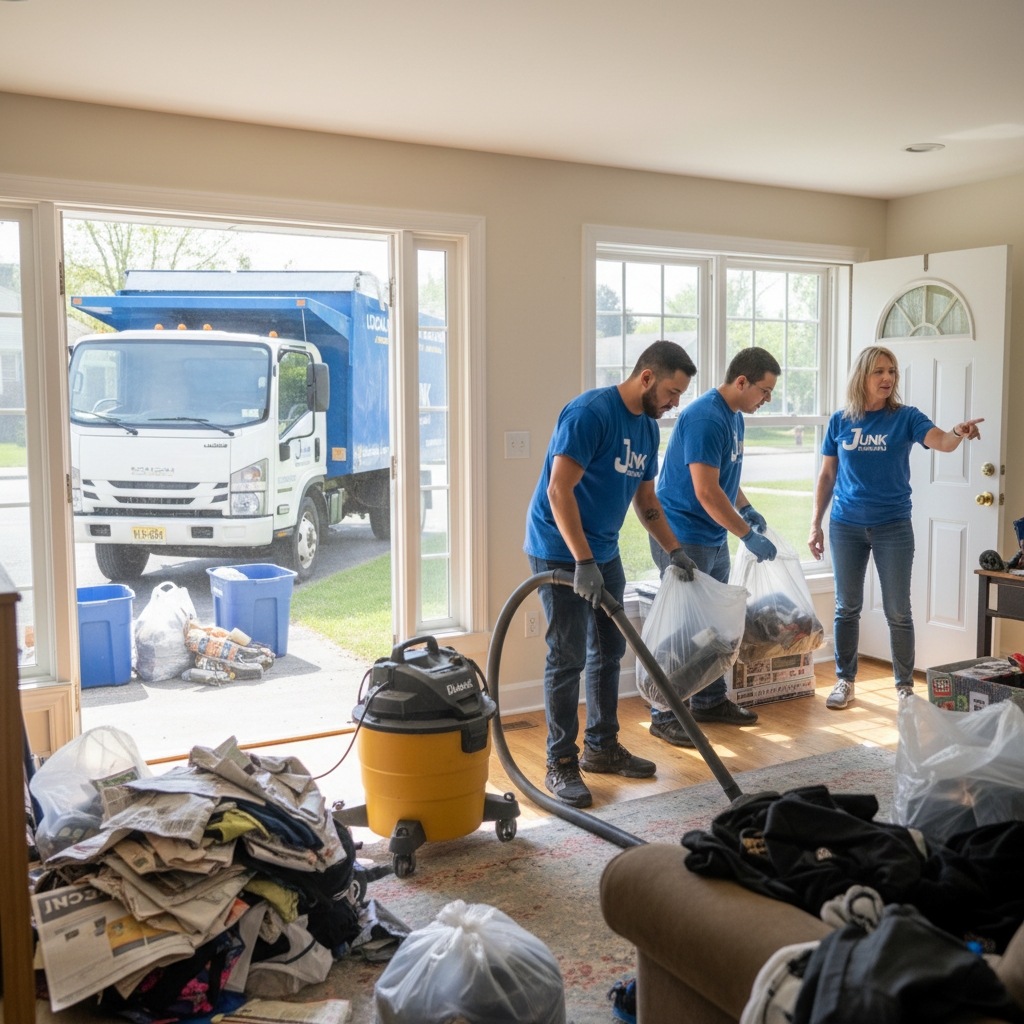
The Roots of Hoarding: From Survival to Obsession
Long before hoarding became a modern mental health term, it was a matter of survival. Early humans who stored food, furs, and tools stood a better chance of enduring harsh winters and unpredictable seasons. Accumulation meant safety, not shame. Over generations, that primal instinct to “keep just in case” remained embedded in human behavior.
As civilizations evolved, abundance replaced scarcity—but our survival wiring didn’t change. The same impulse that once protected our ancestors now drives some to fill entire homes with objects that hold emotional weight. What began as an act of self-preservation slowly transformed into one of self-protection, where clutter became a comfort against fear, loss, or uncertainty.
The Medieval Hoard: Wealth, War, and Wonders
In medieval Europe, hoarding became a symbol of power and prestige. Kings, nobles, and merchants filled castles with tapestries, jewels, and imported luxuries visible proof of dominance in an uncertain world. But even this grandeur was rooted in anxiety. War, famine, and disease threatened daily life, and storing excess was a safeguard against chaos.
The wealthy amassed goods for security just as the poor held onto scraps for survival. Both behaviors though worlds apart in scale sprang from the same human need: control in the face of instability. Fast forward to today, and the same psychology echoes in the homes JunkDoctors helps restore across New Jersey. The materials may differ, but the emotion remains unchanged.
The Industrial Revolution: Birth of Consumer Hoarding
The 18th and 19th centuries changed everything. With the Industrial Revolution came mass production, advertising, and consumer identity. For the first time, people could buy more than they needed—and they did. Homes filled with products promising convenience, comfort, and happiness.
This marked the birth of consumer hoarding—not driven by famine or fear, but by the illusion that possessions equal stability. When objects became cheap and disposable, the emotional bond to “things” deepened. By the late 1800s, clutter was no longer an accident; it was a reflection of progress itself.
The 20th Century: From Frugality to Full Houses
The Great Depression reshaped American habits once again. “Waste not, want not” became a national motto. Households saved every jar, nail, and newspaper, fearing another economic collapse. Then came post–World War II prosperity and suburban expansion—an explosion of consumer culture that encouraged people to buy, store, and upgrade endlessly.
By the 1980s and 1990s, attics and garages overflowed. Storage units became a booming industry. And while collecting was celebrated, the fine line between hobby and hoarding grew thin. This is the cultural soil from which many modern hoarding cases have grown.
Modern Hoarding: A Psychological Perspective
Today, the American Psychiatric Association classifies hoarding as a distinct disorder one rooted in anxiety, trauma, and emotional attachment. For many, possessions are not just “stuff”; they represent memories, identity, and safety. Removing them without understanding the person behind them can cause more harm than good.
At JunkDoctors.com, we’ve witnessed how historical insight can foster compassion. Every hoarding cleanup we perform in Bergen, Middlesex, Essex, Morris, Somerset and Union Counties begins with empathy. Our team approaches each job not as a disposal task, but as a process of emotional healing—restoring dignity, not just square footage.
The Digital Age: A New Kind of Clutter
While our living spaces may be getting smarter, our habits haven’t changed. The digital revolution has given rise to “virtual hoarding” millions of photos, files, and emails that we can’t bear to delete. Our cloud drives and smartphones have become the new attics of the modern age.
This digital hoarding mirrors the same psychological patterns seen in physical clutter: fear of loss, sentimentality, and perfectionism. Whether it’s a garage packed with boxes or a hard drive filled with unused data, the core emotion is the same comfort in accumulation.
The Hidden Costs of Hoarding
Behind every pile of clutter lies a silent cost. Hoarding can lead to isolation, health hazards, fire risks, and structural damage. For families, it creates emotional divides; for homeowners, it can jeopardize safety and property value. Yet beneath it all lies pain, not neglect a story waiting to be understood.
Recognizing these deeper roots allows cleanup professionals like JunkDoctors to approach each case with humanity first. When clients in North and Central New Jersey call, they’re not just asking for removal they’re asking for relief, guidance, and hope.
Hoarding Through the Lens of Compassion
The more we study hoarding through time, the more one truth emerges: it’s not a problem of laziness or disorder, but of emotion. Each item held onto represents a memory, a fear, or a moment of control in an unpredictable world.
At JunkDoctors, we’ve built our service model around understanding this psychology. We work discreetly, respectfully, and with sensitivity—because we know that for many, letting go of clutter means letting go of the past.
How JunkDoctors Helps Restore Homes—and Lives
Our hoarding cleanup services are designed to do more than clear space. We help families and individuals reclaim comfort, health, and peace of mind. From full-house cleanouts in Morristown to apartment restorations in Jersey City, our trained specialists handle everything with care.
Every cleanup includes sorting, donating, recycling, and sanitizing ensuring that every step respects the homeowner’s story. We don’t judge; we guide. And that’s why New Jersey families continue to trust us for sensitive, life-changing projects.
Conclusion: Understanding the Past to Heal the Present
The history of hoarding isn’t just a timeline it’s a mirror reflecting our shared humanity. From ancient survival instincts to digital accumulation, the need to hold onto things has always been part of us. What defines us now is how we respond with understanding instead of judgment, compassion instead of criticism.
At JunkDoctors, we turn that understanding into action. If you or someone you love is struggling with hoarding, know that help exists. Our compassionate team proudly serves Bergen, Essex, Morris, Union, Middlesex, and Passaic Counties restoring order, safety, and dignity, one home at a time.
📞 Call 973-336-8083 today for a confidential consultation or visit JunkDoctors to learn more.