Hoarding Help for Families (2026 Guide): What to Do, What to Say, and How to Get Support
If someone you love is living with hoarding behavior, you’re probably carrying a mix of emotions: worry, frustration, sadness, and fear—especially if the home is becoming unsafe. You may also be stuck between two painful options: doing nothing (and feeling guilty), or pushing too hard (and triggering conflict or shutdown).
This 2026 guide is built for families. It’s practical, compassionate, and safety-first. You’ll learn what hoarding disorder is (clinically), how it’s different from clutter or collecting, how to talk to your loved one without blowing up trust, what to do if they refuse help, and how to build a plan that actually lasts.
Table of Contents
- 1) What “Hoarding” Means in This Guide
- 2) What Counts as Hoarding Disorder Clinically?
- 3) Hoarding vs. Collecting vs. Clutter: How to Tell the Difference
- 4) Why Hoarding Hurts Families So Much
- 5) Safety Triage: When It’s Urgent vs. When It’s Slow Work
- 6) What to Say (and What NOT to Say)
- 7) Family Accommodation: The “Help” That Backfires
- 8) Boundaries That Protect Your Relationship and Your Home
- 9) What Actually Helps: Treatment and Support Options
- 10) Cleanup Done Right: Safety-First, Consent-Based, and Sustainable
- 11) If Your Loved One Refuses Help
- 12) After the Cleanup: Preventing Relapse
- 13) Where to Get Help in 2026
- FAQ
1) What “Hoarding” Means in This Guide
People use the word “hoarding” to describe everything from a messy room to a packed garage. In this guide, “hoarding” refers to a specific pattern: the person has persistent difficulty discarding possessions because they feel a strong need to save them, and discarding creates distress. Over time, clutter builds up and can disrupt living spaces.
This definition matters because families often waste years fighting the wrong battle. If the core problem is difficulty discarding + distress, then “just clean it” won’t fix what’s driving the behavior.
2) What Counts as Hoarding Disorder Clinically?
Clinically, hoarding disorder is not “messiness.” The core features include:
- Persistent difficulty discarding possessions (regardless of actual value)
- Difficulty discarding due to a perceived need to save and distress at discarding
- Clutter that congests “active living areas” and compromises their intended use
- Clinically significant distress or impairment (including maintaining a safe environment)
Two details that matter for families (and often get ignored):
- Excessive acquisition: Many people with hoarding disorder also acquire items excessively (buying, taking freebies, bringing things home impulsively). Clinically, this can be specified “with excessive acquisition.”
- Insight: Some people recognize it’s a problem; others are mostly or completely convinced nothing is wrong. Clinicians describe insight as good/fair, poor, or absent.
Educational takeaway for families: if insight is low and acquisition is high, the plan must be even more gradual, collaborative, and safety-focused.
3) Hoarding vs. Collecting vs. Clutter: How to Tell the Difference
These three can look similar from the outside—but they function differently.
Collecting
Collecting is typically intentional, targeted, and organized. Items usually have a theme, are displayed or stored with care, and the home remains functional.
Clutter
Clutter often comes from life overload (busy schedules, moves, illness, depression, new babies, renovations). Discarding may be annoying, but it’s usually possible without intense distress once time and systems exist.
Hoarding disorder
Hoarding disorder tends to involve disorganized accumulation that disrupts living spaces. Acquisition can be impulsive. Discarding often triggers significant distress. The result isn’t just “too much stuff”—it’s reduced function, safety risks, and impairment.
A fast “functional test” families can use: Can rooms be used as intended—sleeping in beds, cooking in kitchens, bathing in bathrooms, walking through exits safely? When function breaks down, you’re beyond normal clutter.
4) Why Hoarding Hurts Families So Much
Families often describe hoarding as two problems at once:
- The environment: clutter, safety risks, hygiene issues, property damage, blocked rooms
- The relationship: arguments, secrecy, shame, avoidance, emotional distance
A common conflict point is the loss of “usable living space”—especially shared areas like kitchens, living rooms, hallways, or bathrooms. When the home can’t function normally, daily life becomes stressful for everyone.
Many families also experience a painful mismatch in urgency. Loved ones may feel “we need to fix this now,” while the person who hoards may feel “you’re trying to take my safety away.” Both sides feel threatened—just in different ways.
5) Safety Triage: When It’s Urgent vs. When It’s Slow Work
The best family plans start with one question: Is anyone in immediate danger?
Urgent red flags (act quickly)
- Blocked exits, narrow pathways, or doors that can’t open fully
- Fire hazards (items near stoves/heaters, overloaded outlets, blocked electrical panels)
- Severe tripping hazards for older adults or people with mobility issues
- Pests, animal waste, spoiled food, strong ammonia/chemical odors
- Bathrooms or kitchens unusable
- Children or dependent adults living in unsafe conditions
- Animal hoarding with unsafe conditions
Non-urgent but serious (plan carefully)
- Multiple rooms compromised, but basic safety still present
- Growing isolation, missed medical care, worsening depression/anxiety
- Family conflict escalating and communication breaking down
If safety is urgent, the first goal is not “perfect.” It’s harm reduction: clear exits, restore a usable bathroom, make the kitchen minimally functional, and reduce obvious hazards.
6) What to Say (and What NOT to Say)
The way you start the conversation often determines whether you get a second conversation.
What to say (scripts that reduce defensiveness)
- Safety-first: “I’m worried about fire exits and tripping hazards. Can we focus on making the home safer?”
- Collaboration: “I’m not here to judge. I want to understand what feels hard about letting things go.”
- Choice + control: “You stay in control of decisions. Can we pick one small area to work on together?”
- Specific + small: “Could we clear one walkway from the door to the bedroom this weekend?”
What not to say (even if it’s true)
- “This is disgusting.”
- “You’re ruining your life.”
- “If you loved us, you’d stop.”
- “I’m bringing a dumpster and cleaning everything out.”
Families often feel pressure to “snap them out of it.” But shame tends to increase hiding and avoidance—not sustainable change.
7) Family Accommodation: The “Help” That Backfires
Many families accidentally keep hoarding going by “helping” in ways that reduce conflict short-term but worsen the problem long-term. This is called family accommodation.
Examples include:
- Giving the person more items (newspapers, containers, bags, “useful” freebies)
- Paying for storage units
- Letting clutter spread into shared spaces to avoid arguments
- Handling all chores because the home is too cluttered to function
A smarter approach is to reduce accommodation slowly and calmly—like giving a clear timeline for ending a storage-unit payment—while involving your loved one in planning.
8) Boundaries That Protect Your Relationship and Your Home
Boundaries aren’t punishments. They’re clarity. They protect children, spouses, roommates, and the person who hoards from worsening risk and escalating conflict.
Examples of healthy boundaries
- “We need all exits and hallways clear.”
- “The stove and heater area must remain free of piles.”
- “No new items come into shared spaces.”
- “We can’t pay for storage anymore after (date), but we’ll help plan what happens next.”
What boundaries are not
- Surprise cleanouts
- Threats that you can’t or won’t follow through on
- Humiliation, public exposure, or “interventions” that become ambushes
If you’re unsure how to set boundaries safely, a therapist who understands hoarding—or a family therapist—can help you create a plan that reduces conflict.
9) What Actually Helps: Treatment and Support Options
The most studied treatment for hoarding disorder is cognitive behavioral therapy (CBT) tailored to hoarding. In CBT, people gradually practice discarding with less distress, reduce acquiring, and build skills like organization and decision-making.
Treatment is often slow and skills-based. The goal is not to “force letting go.” The goal is to help the person tolerate discomfort, make decisions, and keep the home safe and functional over time.
Who can help (often best in combination)
- Therapist trained in hoarding-focused CBT
- Professional organizer with hoarding experience (especially for sorting systems)
- Primary care doctor/psychiatrist (for co-occurring anxiety, depression, ADHD, etc.)
- Support groups for shame-free structure and accountability
- Community hoarding task forces (where available)
What families should remember: cleanup alone is rarely enough if the underlying distress and beliefs remain unchanged.
10) Cleanup Done Right: Safety-First, Consent-Based, and Sustainable
Families often reach a breaking point and think, “We’ll just clean it out.” But many resources warn that clearing a home without addressing the underlying hoarding problem usually fails—and can cause extreme distress, especially if it happens without consent.
A better framework is: Safety first → small wins → skill-building → maintenance.
A “good” family cleanup plan looks like this
- Agree on the first safety goal: clear exits, clear the stove area, restore one bathroom.
- Work in tiny zones: one surface, one drawer, one corner, one walkway.
- Use a simple sorting system: Keep / Donate / Trash / Recycle / “Decide Later” (with a deadline).
- Reduce inflow: if acquiring continues, decluttering will feel impossible.
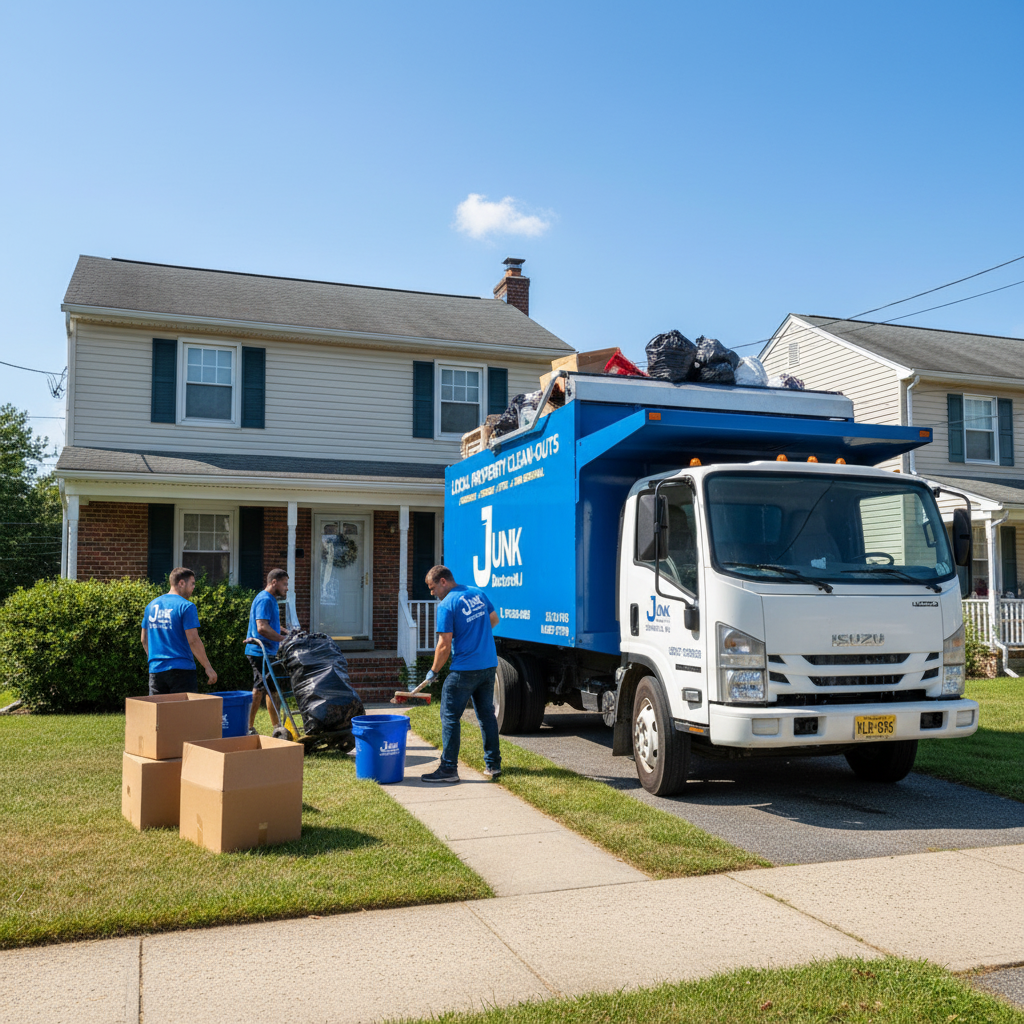
- Plan removal logistics: donation drop-off, recycling, trash pickup, and (if needed) professional hauling.
- Set maintenance rules: 10-minute daily reset + weekly bag-out + monthly review.
What to avoid
- Throwing things away “behind their back”
- Doing a full-house purge in one day unless safety demands it (and even then, minimize trauma)
- Turning cleanup into a debate about every item
11) If Your Loved One Refuses Help
Refusal is common—especially when insight is poor. If your loved one refuses help:
Shift your goal from “agreement” to “safety”
- Focus on exits, pathways, and key rooms
- Ask for the smallest possible “yes”
- Offer choices instead of demands (“Kitchen or hallway first?”)
Get support for yourself
- Family therapy or coaching can help you communicate and set boundaries
- Support groups help reduce isolation and shame
Consider community or agency support when necessary
In some communities, public health agencies can assist with hoarding-related problems. In serious cases—especially with animal welfare concerns—agencies may intervene to protect safety.
If children, dependent adults, or severe safety hazards are involved, it may be necessary to seek outside help. This is difficult and emotional, but safety must remain the priority.
12) After the Cleanup: Preventing Relapse
Relapse prevention is not optional—it’s the difference between a one-time cleanout and lasting change.
Simple maintenance rules that families can sustain
- One bag out per week (trash or donation)
- Container limits (each category gets one bin/shelf; if it’s full, something leaves)
- Acquiring pause (no freebies, no “bulk extras,” no impulsive shopping for 30 days)
- Daily 10-minute reset (return items to homes; prevent piles from re-forming)
If hoarding is tied to grief, trauma, anxiety, ADHD, or depression, ongoing treatment support often improves long-term outcomes because it addresses the emotional drivers—not just the clutter.
13) Where to Get Help in 2026
If you’re worried about immediate emotional crisis
- 988 Suicide & Crisis Lifeline: call, text, or chat for free 24/7 support in the U.S.
- Emergency danger: call local emergency services if someone is at immediate risk of harm.
Find treatment and providers
- SAMHSA’s National Helpline (U.S.): 1-800-662-HELP (4357) for 24/7 referral support
- FindTreatment.gov: search for mental health and substance use treatment services
- IOCDF “Find Help” directory: locate therapists, clinics, and support groups (including hoarding-focused resources)
- IOCDF Hoarding site: resources for families, task forces, and education
Family education and support
- Read family-focused hoarding resources and guidance on reducing “family accommodation”
- Consider support groups (in-person or virtual) for families and caregivers
FAQ
Is hoarding disorder just a “bad habit”?
Clinically, hoarding disorder is a mental health condition characterized by difficulty discarding, distress about discarding, and clutter that compromises living spaces and functioning. It’s more than a “habit.”
Should families do a surprise cleanout?
Many clinical and advocacy resources warn that clearing a home without consent and without treating the underlying problem often backfires—causing extreme distress and rapid recurrence.
What if the home is unsafe?
Prioritize harm reduction: clear exits, restore basic function (bathroom/kitchen access), and reduce obvious hazards. In urgent situations, seek professional or agency support.
Can hoarding disorder improve?
Yes. Treatment (especially CBT tailored to hoarding) and consistent support can help people reduce saving, acquiring, and clutter and live safer, more functional lives.
Conclusion: Focus on Safety, Keep the Relationship, Build Small Wins
Hoarding impacts the whole family—but families can also be the key to recovery when support is patient, structured, and respectful. Start with safety. Use communication that preserves dignity. Avoid the “forced cleanout” trap. And build a plan that includes treatment and maintenance, not just removal.
You don’t have to solve everything this week. You do need a next step—and the next step can be small.
If you’re located in New Jersey and the situation has reached a point where you need professional, discreet help removing clutter and restoring safe, usable living space, junkdoctorsnj.com provides compassionate hoarding cleanout services across North and Central New Jersey. For a confidential consultation, call 973-336-8083 or visit https://www.junkdoctorsnj.com/hoarding-cleanout.